
More Than Awareness: Why Sickle Cell Conversations Belong in Sports

With the recent NBA Conference winners, there is a name that should be mentioned, particularly this month, when the spotlight is on sickle cell: Billy Garret. Billy Garrett, a former New York Knicks player, who joined the blue and orange team during the 2019 season.

Garret became the first NBA player to join the league with outspoken Sickle Cell disease. Coming from a family of basketball legacies, Billy was told he shouldn’t play sports because of his health condition. Taught from an early age by his parents, Garret understood his condition wasn’t ideal and was extremely painful. Over the course of his life, he has suffered the pain of his disease, despite the hardship and the advice, Billy Garret has been advocating for himself and other athletes who suffer from Sickle cell disease. He wants to help others have experiences like those who don’t have SCD.
Sickle Cell disease, or Sickle Cell anemia, is known as one of the most painful diseases, as it affects the production of hemoglobin and the HBB gene. It is hereditary and can lead to serious chronic health conditions such as chronic pain, stroke, eye problems, infection, and others. Sickle cell disease affects 8 million people worldwide.
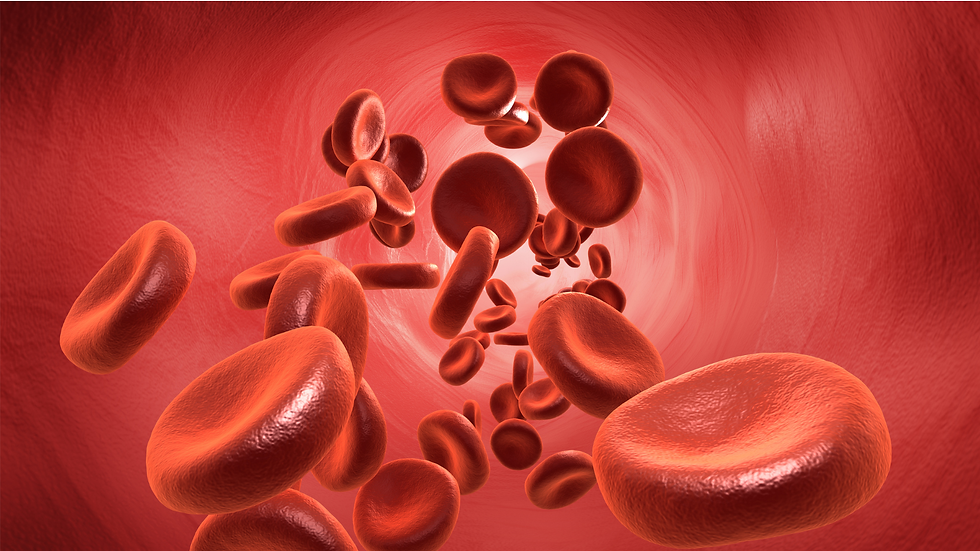
Strength and safety with Sickle Cell Awareness
Sickle cell awareness is extremely important for the following key points:
People can recognize symptoms sooner: Awareness helps individuals and families recognize signs.
Improved access to treatment: People who are aware of the condition are more likely to seek appropriate healthcare, medications, and specialist care, and awareness can encourage blood donations, which are often needed for transfusions.
Genetic counseling and family planning: help people understand their genetic risk and make informed reproductive decisions.
Reducing stigma and discrimination: education promotes empathy and support in schools, workplaces, and communities.
Encouraging research and advocacy: it can increase funding for research, improve healthcare policies, and support the development of new treatments and cures.
Overall, early diagnosis saves lives.
Health Risks with SCD
Health disparities related to sickle cell trait in sports affect some athletes more than others. Despite these risks, not all athletes receive equal access to screening, education, and resources about hydration, heat illness prevention, warning signs of exertional sickling, and safe training practices.
Athletes with the sickle cell trait face an increased risk of exertional sickling during intense physical activity, especially when dehydrated, exercising in extreme heat, or training at high altitudes. Without proper precautions and monitoring, these situations can lead to serious medical emergencies.
Heat is one of the biggest risks for people with SCD. Proper hydration is one of the most important strategies for preventing sickle cell complications. Individuals with sickle cell disease are encouraged to drink fluids regularly before, during, and after physical activity and to avoid long-lasting exposure to extreme heat whenever possible.

Athletes with sickle cell disease or sickle cell trait should also be allowed adequate rest breaks, gradual conditioning, and access to cool environments during training and competition.
In addition to physical health risks, athletes with sickle cell trait may experience stigma and discrimination. Some may face misunderstandings about their athletic abilities, pressure to hide their condition, or concerns about losing playing time and recruitment opportunities. Policies such as the NCAA's sickle cell trait screening requirements have been implemented to improve athlete safety.
Visibilizing SDC
SDC is a condition rarely discussed. With stories like Billy Garret’s, the spotlight is on the conditions people underestimate or choose to turn a blind eye to. With known stories, unheard voices can become loud enough for others to become interested and share the awareness.
At Beyond the Game Health, we are devoted to helping athletes visualize their health conditions and supporting athletes and their communities. That’s why everyone who is affected by sickle cell and wants to be part of the sports community should have a seat at the table and the opportunity to speak for themselves.

References:
An Heir of Excellence: Billy Garrett Jr. Reflects on Basketball Legacy and Sickle Cell Advocacy. (2025). Redcrossblood.org. https://www.redcrossblood.org/local-homepage/news/article/Billy-Garrett-jr-sickle-cell-advocate-rcbs.html
NATA Releases “Sickle Cell Trait and the Athlete” Consensus Statement | NATA. (2007, June 27). Nata.org. https://www.nata.org/press-release/062707/nata-releases-sickle-cell-trait-and-athlete-consensus-statement
National Heart, Lung, and Blood Institute. (2024, September 30). Sickle Cell Disease - What Is Sickle Cell Disease? Www.nhlbi.nih.gov; National Heart, Lung, and Blood Institute. https://www.nhlbi.nih.gov/health/sickle-cell-disease
World Sickle Cell Day and Shine the Light - SCDAA. (2023, December 26). SCDAA -. https://sicklecelldisease.org/world-sickle-cell-day/


Comments