
Brain Health 101: Real Ways to Support

June is Alzheimer's and Brain Health Awareness Month, a month that aims to raise awareness of brain health and encourage the prevention of AD (Alzheimer's disease) and other MCDs (Mild Cognitive Diseases). The Brain is the most researched organ in the human body worldwide.
Taking care of ourselves goes beyond our physical health; it involves taking care of our mental and brain health.

Myths on brain health
While growing up, I remember my parents always being worried if I hit my head, remembering hearing the “you can’t sleep for five hours after you hit your head”. A couple of years later, while watching a medical show, I saw a character recommend another one to sleep after a concussion. Which made me question: was what my parents believed real, or was it just a myth? So here you have 5 myths of brain health:
1- Brain plasticity stops with age, lie. The brain can be trained at any age, and you can continuously learn new things; the process, depending on your cognitive activity, might take longer than at a younger age, but you can always learn new things!
2- It is safe to sleep after a concussion. Yeah, the show was right! You can go to sleep after a concussion as long as you are not presenting any concerning symptoms, such as slurred speech, headache (not from the affected area), nausea, vomiting, and blurred vision. And of course, if you didn’t suffer loss of consciousness after the hit/fall.
3- There’s nothing you can do to prevent Alzheimer’s. Yes, you can! There are multiple ways to help delay and improve your brain health, such as quality sleep, a good diet, and being active.
4- Brain games alone will keep my brain healthy. Brain games are fun and, yes, stimulating, but they need to be used as training, not as a solution. To fix the problem, you have to look at the whole picture, not just the affected area. Meaning you need a full body approach.
5- The Brain can’t make new neurons. Yes, it can. It was believed that once you reached adulthood, your brain couldn’t generate new neurons. After years of research, it has been proven that our brain eventually produces new neurons in the hippocampus.
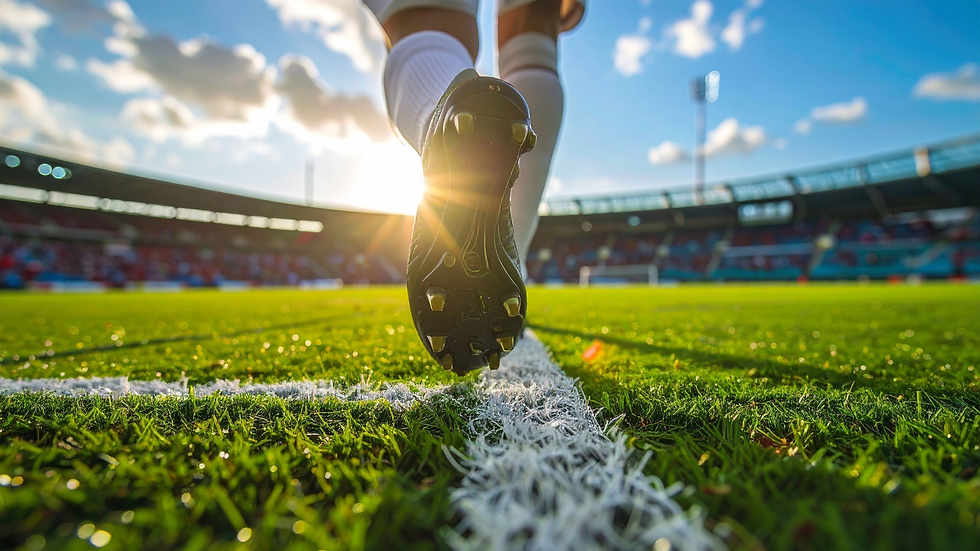
Sports and brain health.
When we work out, our bodies release different hormones depending on the type of exercise. Often, these hormones include cortisol, insulin, endorphins, growth hormones (also known as recovery hormones), testosterone, and estrogen.
They all fulfill a specific role depending on training. Studies show that an aerobic workout combined with resistance exercise can help during the pre-symptomatic and pre-dementia stages, helping delay dementia by 1/3 with lifestyle changes, including sleep, diet, and exercise.
Effects on Physical Activity
After a workout, it is normal to feel happier, exhausted, and joyful. Working out or doing any physical activity causes what they call a “runner's high”: like when you get an adrenaline spike, your body feels good, and so does your brain and mood.
You can also experience a delayed recovery. After working out for a long time, your body takes a while to recover, and your muscles feel sore as they rebuild their inner tissue.
It has also been proven that you can be hungry, feel more relaxed, and have an easier time falling asleep.
Staying sharp on the field
While playing any sport, being mentally sharp is essential to give your best effort. You increase blood flow to your brain, which can release chemicals that help improve your concentration, learning, and reaction time. Sleep helps with having a rested mind before performing and aids you in doing it in optimal conditions.
Remember, being on the field is important as long as you are attentive and safe. Don’t take risks that can be easily prevented by following simple actions.

5 Health tips:
The brain can be affected by multiple factors; the most well-known risk factors include: sleep disorders, diabetes, genetics, diet, prior brain injuries, hypertension, stress, hearing loss, and low levels of activity.
In order to prevent being affected by your brain health, here are 5 health tips to follow:
1- Have a proper sleep; sleep is a substantial pillar of health. During sleep, the brain consolidates memories, clears out harmful toxins, and regulates emotions. With a proper sleep schedule, our brains can function at their best. Sleep schedules vary depending on body needs. The sleep schedule: check the following table to see which one is recommended for your age.

2- Keep an active lifestyle, by active we mean working out at least 30 minutes a day, five days a week. Did you know physical activity starts a potential protective mechanism for your brain? It helps regulate hormones and increase cognitive health.
3- Keep Hydrated, as you know, the human body is 75% made of water, making not only our brain dependent on liquid but also our entire body. Having a good intake of water improves your capacity to focus and to be cognitively active!
4- Stay socially active. Brain health is deeply connected to mental health. As long as you keep socially active, you can help reduce anxiety, depression, and stress levels.
5- Avoid harmful habits, anything that can put your regular health and brain health in danger, such as wearing a helmet while being on a bike, not overconsuming alcohol, and not taking any illicit substances.
Our brains are remarkable organs that continue to learn, adapt, and change throughout our lives. While factors such as genetics and aging can influence brain health, research shows that many lifestyle choices can play a significant role.
This Brain Health Awareness Month, take the opportunity to separate facts from myths and focus on habits that support long-term brain health.
Remember, brain health is not something to think about only later in life—it is something we can nurture every day. The choices we make today can help support a healthier, more active mind for years to come.
References:
Barber, A. 2025. Busting Common Myths About the Brain & Alzheimer’s Disease. The Institute for Neurodegenerative Diseases of Florida (IND). https://ind.org/blog/busting-common-myths-about-the-brain-and-alzheimer-s-disease/
De la Rosa, A., Olaso-Gonzalez, G., Arc-Chagnaud, C., Millan, F., Salvador-Pascual, A., García-Lucerga, C., Blasco-Lafarga, C., Garcia-Dominguez, E., Carretero, A., Correas, A. G., Viña, J., & Gomez-Cabrera, M. C. 2020. Physical exercise in the prevention and treatment of Alzheimer’s disease. Journal of Sport and Health Science, 9(5), 394–404. https://doi.org/10.1016/j.jshs.2020.01.004
Needs, B. 2025. The Online GP. The Online GP. https://www.theonlinegp.com/blog/why-your-brain-needs-more-water-than-you-think


Comments